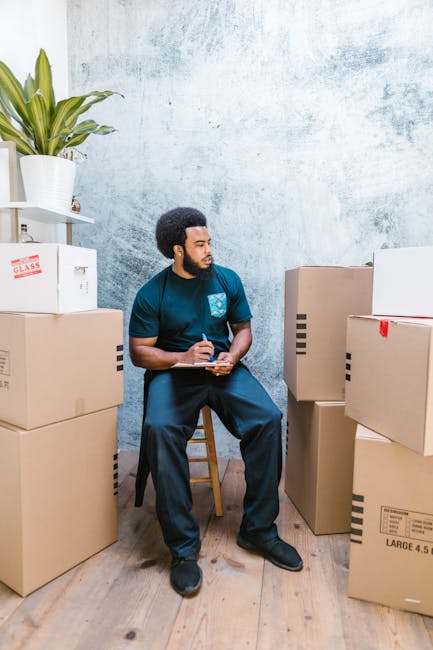
Business relocations in Sydenham: office move services
Relocating a business is never just about boxes and a van. It is about keeping customers served, staff calm, equipment safe, and the workday moving with as little friction as possible. If you are planning Business relocations in Sydenham: office move services, you are probably juggling a dozen things at once: lease dates, IT, furniture, files, access, parking, and that one awkward desk nobody wants to dismantle. Truth be told, that is exactly why a well-run office move feels less like a scramble and more like a controlled handover.
This guide breaks the process down in plain English. You will see how office move services work, what to expect, where the real risks sit, and how to plan a commercial move in Sydenham without losing time or sleep. We will also cover practical checklists, common mistakes, and the best ways to compare options so you can make a sensible decision, not a rushed one.
For businesses that need support beyond the office itself, it can help to understand the wider range of local moving options too. Some companies prefer a full commercial moves service, while others need structured office removals or a more flexible office relocation services package. Different projects, different pressure points. That is fair enough.
Table of Contents
- Why Business relocations in Sydenham: office move services Matters
- How Business relocations in Sydenham: office move services Works
- Key Benefits and Practical Advantages
- Who This Is For and When It Makes Sense
- Step-by-Step Guidance
- Expert Tips for Better Results
- Common Mistakes to Avoid
- Tools, Resources and Recommendations
- Law, Compliance, Standards, or Best Practice
- Options, Methods, or Comparison Table
- Case Study or Real-World Example
- Practical Checklist
- Conclusion
- Frequently Asked Questions
Why Business relocations in Sydenham: office move services Matters
A business move looks simple from the outside. Pack the desks. Move the files. Plug everything back in. Done. But anyone who has done it properly knows that office relocation is really a business continuity project in disguise.
In Sydenham, that matters even more because timing, access, and transport logistics can quickly shape the whole day. A narrow loading area, a tight stairwell, a busy road, or a building with limited lift access can turn a "quick move" into a long one. And long moves cost money. Staff are waiting. Phones are quiet. Work is delayed. Clients may not care that the broadband is still being reconnected.
That is why specialist office move services are useful. They bring order to the chaos. They help you move in a way that protects equipment, reduces downtime, and keeps responsibilities clear. A good move is not just physically efficient; it is organisationally tidy too.
Expert summary: The best business relocations are the ones people hardly notice in the wider company rhythm. The desks appear in the new place, the essentials work, and the team gets back to business quickly. That is the real win.
There is also a trust angle. A well-planned commercial move sends a message to your staff and customers that the business is organised, stable, and prepared. To be fair, that kind of confidence matters just as much as the actual lifting.
How Business relocations in Sydenham: office move services Works
Office move services usually begin with a survey or a detailed discussion about the move. The mover needs to understand what is being relocated, how much there is, where it is going, and what can go wrong. That sounds obvious, but it is often the difference between a smooth move and a messy one.
A typical commercial relocation includes a few core stages:
- Planning and assessment: reviewing the current office, the destination, access conditions, and the schedule.
- Preparation: labelling, packing, disassembling furniture, and identifying fragile or specialist items.
- Transport: loading the right vehicle, securing items properly, and moving them safely to the new site.
- Delivery and placement: unloading items, setting them in the right rooms, and rebuilding key furniture where needed.
- Aftercare: removing debris, checking for missing items, and making sure the essentials are in the correct place.
Some businesses use a straightforward van-led move. Others need a fuller setup with multiple movers, trolleys, protective wraps, and timed access. If your office has heavier furniture or a larger volume of items, a dedicated moving truck or moving van may be the better fit. It depends on scale, not ego. And yes, sometimes businesses overestimate how much will fit in one vehicle. Happens all the time.
Office relocation is also easier when packing support is built in. Using packing and unpacking services can save your team from losing a day or two to tape, labels, and cardboard chaos.
Key Benefits and Practical Advantages
When office move services are planned properly, the benefits go well beyond convenience. The practical gains can be immediate.
- Less downtime: your team gets back to productive work sooner.
- Lower risk of damage: furniture, monitors, printers, and files are handled more carefully.
- Better organisation: labelled boxes and room-by-room placement make unpacking much easier.
- Reduced staff stress: employees are not left guessing what to pack or where to put it.
- More efficient use of time: a professional crew can do in hours what might take an internal team all day, or more.
- Improved safety: heavy lifting and awkward movement are managed with the right equipment and methods.
There is also a softer benefit that people often miss: morale. A smooth move feels reassuring. Staff notice when the process has been thought through. They notice when the desks are set up, the kettle is accessible, and nobody is hunting for a box of cables at 4:30 in the afternoon. Small things, but they matter.
If your business is comparing providers, it can help to look at the wider moving service mix as well. Some companies will need broader removal services, while others want a more defined removal company setup with clear responsibilities from start to finish.
Who This Is For and When It Makes Sense
Office move services are not only for big firms. In fact, they often make the most sense for small and medium-sized businesses that cannot afford disruption. If your company relies on phones, laptops, file storage, or client appointments, an unplanned move can become a real headache very quickly.
This service is usually a good fit for:
- Growing start-ups moving out of shared space or a small unit
- Professional practices such as accountants, designers, consultants, and small agencies
- Retail back offices or mixed-use premises with admin and storage areas
- Local branches relocating within Sydenham or nearby districts
- Businesses consolidating sites after a restructure
It also makes sense when a move involves time pressure. Maybe the lease is ending. Maybe the landlord has given a hard stop date. Maybe the new office is ready, but only for a narrow window. Those situations are where good planning becomes non-negotiable.
Some businesses are tempted to do the move themselves with staff and a borrowed vehicle. Sometimes that works for one desk, a few chairs, and some files. But once you add fragile IT, tight deadlines, or awkward access, the risk starts climbing. A small saving can disappear very fast if a monitor gets broken or the whole team loses a day.
Step-by-Step Guidance
Here is a sensible way to approach a business relocation in Sydenham without turning it into a last-minute panic.
- Define the move scope. List everything going: desks, chairs, storage, filing cabinets, IT equipment, kitchen items, artwork, and anything stored in cupboards or basements.
- Check the new site first. Measure doorways, lifts, stairwells, parking access, and loading points. One awkward corner can change the whole plan.
- Set a move date and buffer. Try to allow a little breathing room. Moves nearly always take longer than the most optimistic version in someone's head.
- Assign responsibilities. Nominate a move lead, an IT lead, and someone to confirm labels and room allocation.
- Create a packing system. Label by department, desk number, or destination room. Use clear wording. "Box 7" is not enough if nobody knows what it is.
- Protect key equipment. Back up data, disconnect devices properly, and make sure fragile items are packed or wrapped with care.
- Confirm logistics with the mover. Share access instructions, parking details, building rules, and any time restrictions.
- Move in phases if needed. Some offices benefit from a split move: non-essential items first, then core operations closer to the final cutover.
- Unpack the essentials first. Focus on desks, internet, phones, printers, and any work-critical equipment before the "nice to have" stuff.
- Do a final walk-through. Check storage areas, drawers, kitchen cupboards, and behind doors. The number of forgotten chargers and file folders is mildly ridiculous, really.
If the move involves heavy or bulky items, you may also want support from a removal van or removal truck hire arrangement, depending on what is being carried and how far.
Expert Tips for Better Results
A good office move is often won in the preparation stage. Here are a few practical things that make a real difference.
- Photograph cable setups before disconnecting anything. Future-you will be grateful. So will the person reconnecting the printer that nobody can quite remember.
- Keep one essentials kit separate. Include keys, phone chargers, basic stationery, a kettle if you are that kind of office, and any important documents needed on day one.
- Pack by use, not by room alone. For example, "finance day-one files" should not end up mixed with archive material.
- Book the move for the least disruptive window. A Friday evening or weekend move can reduce business interruption, though it depends on your opening hours and building access.
- Inform staff early. People handle change better when they know what is happening and what is expected of them.
- Plan for first-hour setup. The first hour in the new office matters. If people arrive and cannot work, frustration rises quickly.
We have seen simple improvements save a surprising amount of time. Clear signage, coloured labels, and a single contact person can make the whole operation feel twice as organised. Not glamorous, but it works.
Common Mistakes to Avoid
Most office move problems are avoidable. The same few mistakes show up again and again.
- Underestimating the amount of stuff: offices accumulate more than anyone realises. Cupboards tell the truth.
- Ignoring access issues: parking restrictions, loading bays, lifts, and narrow entrances need checking early.
- Leaving IT to the end: if devices are not planned carefully, day-one operations can stall.
- Failing to label properly: vague labels create delays and confusion at the other end.
- Not protecting sensitive data: paperwork and storage media should be handled with care and packed securely.
- Forgetting furniture assembly: a desk delivered flat-packed is not an office setup. It is a future job.
Another common issue is poor communication. If staff do not know where to put their items, or if the mover does not know which room belongs to which team, everyone ends up improvising. That is when good moves become tired moves.
Tools, Resources and Recommendations
You do not need complicated software to manage an office move, but a few simple tools help a lot.
- Room-by-room floor plan: even a basic printed layout can prevent confusion during unloading.
- Colour-coded labels: quick to read, easy to follow, especially when multiple people are unpacking.
- Inventory sheet: helps you track what is moving, what is staying, and what has been disposed of.
- IT checklist: useful for computers, monitors, routers, docking stations, and printers.
- Contact list: include the office lead, mover, building manager, and key suppliers.
For many businesses, it also helps to review the mover's service pages before booking so you know what is included. For example, some providers present their broader removals approach clearly, while others explain practical handling through their movers service. That kind of clarity matters. If you know what you are buying, you can plan better.
You should also read the provider's insurance and safety information and their health and safety policy. Not because you expect trouble, but because it is sensible to know how they work before the move day arrives.
Law, Compliance, Standards, or Best Practice
Business relocations involve more than logistics. They also touch on compliance, safety, and data handling. You do not need to turn the process into a legal seminar, but you should keep a few basic duties in mind.
In the UK, businesses are generally expected to manage workplace health and safety sensibly, especially when staff are moving items, lifting boxes, or working around loading areas. The practical answer is straightforward: use safe lifting methods, avoid overloading people, and keep walkways clear.
Data protection matters too. If your move includes paper files, laptops, backups, or archived customer information, handle them securely. Confidential material should not be left open in a corridor or stacked in an unlabelled box that anyone can pick up. That part is just common sense, really, but it still gets missed.
Building access rules are another quiet issue. Some offices have restrictions on move times, lift usage, or loading bays. Check these early, especially in multi-tenant buildings. The same goes for recycling and disposal. If you are getting rid of old office furniture or surplus items, it helps to know how they will be removed and whether they can be reused, recycled, or collected separately. A provider that explains its recycling and sustainability approach is usually thinking a bit more clearly about the end-to-end move.
Finally, review the business terms before you book. The details in terms and conditions and payment and security pages can clarify what is included, how payment works, and what happens if dates change. Boring? Maybe. Useful? Absolutely.
Options, Methods, or Comparison Table
Different office moves need different levels of support. Here is a simple comparison to help you judge what fits your situation.
| Move option | Best for | Strengths | Limitations |
|---|---|---|---|
| Self-managed move | Very small offices or minimal items | Lowest upfront cost, full control | Higher stress, more staff time, more risk of delays |
| Van-led office move | Small to medium moves with limited furniture | Flexible, efficient, usually straightforward | May not suit larger furniture or heavy volumes |
| Dedicated commercial move service | Businesses needing planning, packing, and placement support | Less downtime, better organisation, safer handling | Usually costs more than a basic transport-only option |
| Full relocation service | Complex moves, multiple departments, or time-sensitive relocations | End-to-end coordination and clearer accountability | Requires more advance planning |
If you are unsure which route is right, think about risk first and cost second. That sounds backwards, maybe, but it is usually the smarter order. A cheap move that disrupts your team for two days is not really cheap.
Case Study or Real-World Example
Here is a simple example based on the kind of move many local businesses face.
A small design studio in Sydenham was moving from a compact shared workspace into a larger self-contained office. The team had six desks, storage for sample materials, several monitors, a printer, and a good amount of artwork that could not be knocked about. They originally planned to ask staff to move the lighter items and hire transport for the rest.
Once they mapped the move properly, it became obvious that a split plan would work better. Packing took place in stages over two days. The office mover handled the bulky furniture, protected the fragile items, and placed everything in the correct rooms. The IT setup was kept separate and marked clearly so it could be reconnected quickly. On moving day, the space looked busy for a while, a bit of tape everywhere, that familiar cardboard smell, but by late afternoon the studio was working again.
The biggest lesson? The move felt smaller because it was organised properly. No frantic search for cables. No "where did this desk go?" moment. Just a steady handover, which is what most businesses actually need.
Practical Checklist
Use this checklist as you prepare your business relocation in Sydenham.
- Confirm your move date and back-up date if possible
- Review lease, access, and building rules for both addresses
- Measure lifts, doors, stairwells, and parking access
- Make a full inventory of furniture, files, and equipment
- Decide what will be moved, reused, recycled, or disposed of
- Back up data and secure confidential documents
- Label boxes by department, desk, or destination room
- Set aside day-one essentials for immediate use
- Notify staff, suppliers, and relevant contacts
- Arrange any packing help or furniture disassembly
- Confirm insurance, payment terms, and safety arrangements
- Prepare a post-move walk-through and sign-off list
One small tip: keep a separate box for the awkward little things that always disappear. Chargers, spare keys, extension leads, laptop docks, the one adapter nobody can replace at short notice. You know the type.
Get a free quote today and see how much you can save.
Conclusion
Business relocations in Sydenham work best when they are treated like a project, not a panic. The right office move services help you plan access, protect equipment, manage timing, and get the new space functioning quickly. That means less downtime, fewer surprises, and a calmer first day in the new premises.
If you are comparing providers, focus on clarity, not just price. Look at the way they handle planning, safety, packing, transport, and aftercare. A move with good structure usually feels easier at every stage, and let's face it, that is what most businesses want: a move that gets done properly and lets everyone get back to work.
With the right preparation and the right support, your office move can be one of those rare business changes that ends with a genuine sigh of relief. Quietly satisfying. Very welcome.
Frequently Asked Questions
What do office move services usually include?
They often include planning, packing, loading, transport, unloading, furniture placement, and sometimes dismantling or reassembly. Some services also include unpacking support and help with IT-sensitive items.
How far in advance should I book a business relocation in Sydenham?
As early as you can, especially if the move is date-sensitive or involves building access restrictions. More notice usually gives you better choice, better planning, and less stress on the day.
Can office removals be done outside business hours?
Yes, many businesses prefer evenings or weekends to reduce disruption. The best timing depends on access, staffing, and how quickly the new office needs to be operational.
What is the difference between office removals and commercial moves?
Office removals usually focus on desks, furniture, files, and workstations. Commercial moves can be broader and may include stock, equipment, storage, or more complex business assets.
How do I protect IT equipment during a move?
Back up data, disconnect equipment carefully, keep cables labelled, and pack monitors and devices securely. If the setup is complex, it helps to photograph the current arrangement before anything is unplugged.
Do I need packing and unpacking help for a small office move?
Not always, but even small offices often benefit from it if staff time is limited. It can reduce downtime and stop the move from dragging into the next working day.
How do I choose between a van and a truck for an office relocation?
It depends on volume, furniture size, and access. A van can suit smaller relocations, while larger or heavier office moves may need a truck for efficiency and fewer trips.
What are the biggest risks in business relocations?
The main risks are downtime, damaged equipment, poor labelling, access issues, and underestimating the amount of work involved. Most of these can be reduced with better planning.
Should I ask for insurance details before booking?
Yes. It is sensible to understand how the mover handles insurance and safety, especially if you are moving valuable equipment or confidential material.
How can I make the first day in the new office go smoothly?
Prioritise desks, internet, phones, and essential documents. Keep one box of critical items separate, assign someone to coordinate unpacking, and do a quick walk-through before staff arrive.
Is it worth using a specialist removal company instead of staff doing the move?
For many businesses, yes. A specialist team can reduce disruption, handle awkward items more safely, and keep the relocation moving on schedule. Staff can then stay focused on their actual jobs, which is the point, really.
Where should I start if I am not sure what kind of move I need?
Start with an inventory and a clear timeline. Then look at access, equipment, and how much business downtime you can tolerate. From there, it becomes much easier to decide whether you need basic transport or a fuller office relocation service.