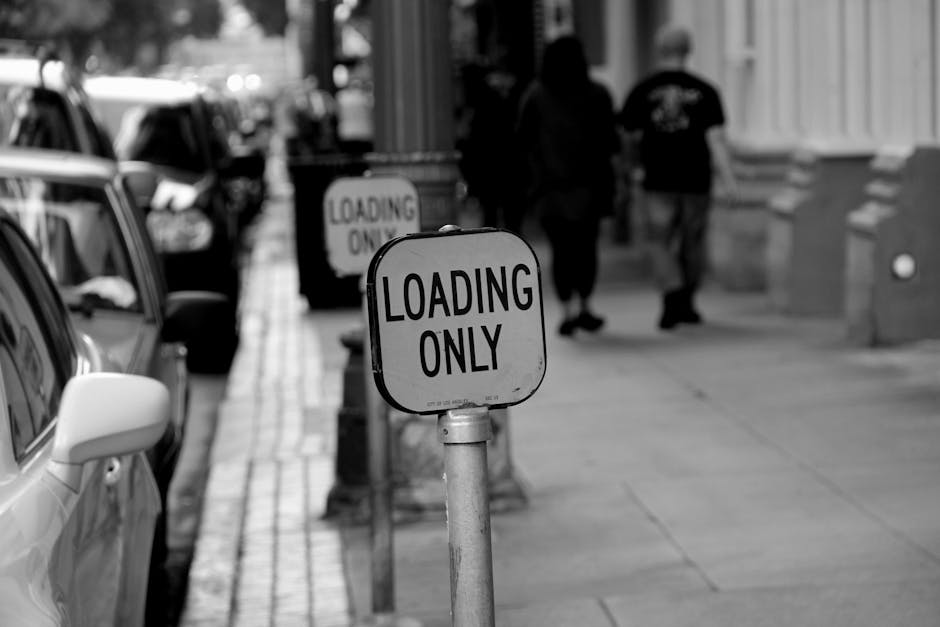
Avoid parking fines: loading bay tips for Sydenham moves
Posted on 02/06/2026
Moving house in Sydenham can be busy enough without a surprise parking ticket landing on the doormat a week later. If you are using a loading bay, a shared forecourt, or a tight stretch of road near SE26 flats and terraces, the difference between a smooth move and a costly mistake often comes down to planning. This guide on Avoid parking fines: loading bay tips for Sydenham moves is here to help you stay legal, keep the van close to the property, and avoid the kind of last-minute scramble that makes everyone tired by 10am.
Truth be told, most parking issues during a move are not dramatic. They are small things: a bay being used longer than expected, a vehicle stopping where it should not, or assuming a space is fine because "it was empty." Sydenham moves can be straightforward if you know what to check first, what to confirm with the council or building manager, and how to set up your loading window properly. Let's make it easier.

Why Avoid parking fines: loading bay tips for Sydenham moves Matters
A loading bay is not just a convenient place to stop a van. It is usually a controlled space with conditions attached, such as time limits, user restrictions, marked bays, or the need to keep traffic flowing. In a moving-day context, that matters a lot. If the vehicle is too far away, your crew spends extra time carrying heavy boxes and furniture. If the bay is used incorrectly, you risk penalties, delays, or an awkward conversation with a neighbour who needed that space too.
Sydenham has a mix of housing types, from flats with shared access points to roads where every inch of curb space is already spoken for. That means loading bay planning is not a nice-to-have; it is part of the move itself. If you are booking a man with a van in Sydenham or a larger team for a full house move, access planning should be treated with the same seriousness as packing or dismantling furniture.
There is also a financial side. One avoidable parking fine can eat into the money you thought you were saving by organising the move yourself. Add in wasted time, stress, and possible rescheduling, and it suddenly becomes clear why this detail deserves attention. A good loading plan keeps the day calm. Or at least calmer. Moving days rarely feel luxurious, do they?
How Avoid parking fines: loading bay tips for Sydenham moves Works
The basic idea is simple: you identify where the vehicle can legally stop, confirm any restrictions, plan the loading sequence, and make sure everyone knows the window of time available. The trick is in the details. A loading bay is not always the same as a general parking space, and a general parking space is not always suitable for loading.
In practice, the process usually involves four parts:
- Checking the location rules for the road, estate, or building.
- Matching the vehicle size to the available access and manoeuvring space.
- Planning the loading order so the heaviest or most fragile items go first or last, depending on access.
- Keeping the stop time efficient so the van is not sitting in a restricted area longer than necessary.
This is where local knowledge matters. A van parked ten metres farther away than expected can add a surprising amount of drag to the day. In a narrow street, that can mean two extra trips per sofa, or more if there are stairs. If you are moving bulky pieces, it helps to pair access planning with guidance from this bulky item removal guide for SE26 and the practical advice in the Thorpewood Avenue access guide.
A useful rule of thumb: if the loading bay is tight, short, or shared, build your move around the bay rather than hoping the bay will fit around your move. That small shift in thinking saves headaches.
Key Benefits and Practical Advantages
Getting loading bay arrangements right does more than protect you from fines. It changes the whole tone of the move. You will notice that the team moves with more confidence, the route in and out becomes obvious, and everyone spends less time standing around wondering where to put the next box.
Here are the main benefits:
- Lower risk of parking penalties because the vehicle is placed where it is allowed to stop.
- Faster loading and unloading thanks to better access.
- Less physical strain because items are carried shorter distances.
- Reduced chance of damage to furniture, walls, and door frames.
- Better coordination between the mover, driver, and anyone helping on the day.
- Less stress for neighbours and building staff because the stop is organised and tidy.
There is also a subtle benefit that is easy to miss: a well-managed loading bay creates momentum. Once the first sofa is out cleanly and the first stack of boxes is in the van, the whole move feels more under control. That is worth a lot on a damp Tuesday morning when everyone is slightly under-caffeinated.
If you are already planning a bigger move, it can help to coordinate loading access with broader move preparation, especially if you are using house removals in Sydenham or a more flexible man and van service. The access plan should match the size of the job, not the other way round.
Who This Is For and When It Makes Sense
Loading bay advice is useful for almost anyone moving in Sydenham, but it matters most in a few common situations.
- Flat movers who rely on shared entrances, basement steps, or a short roadside stop.
- Families in terraced houses where the road is narrow and parking is already limited.
- Students moving in or out of compact accommodation, especially with odd arrival times.
- Office movers who need the van to be close to the building for speed and coordination.
- Anyone moving bulky or awkward items such as sofas, freezers, beds, or a piano.
If your move is simple, off-street, and you have a driveway, you may not need much more than ordinary common sense. But if you are in a controlled parking zone, a managed estate, or a street where one van can block half the traffic, then loading bay planning becomes essential. For students in particular, a tight schedule can make all the difference, which is why student removals in Sydenham often benefit from careful parking coordination.
It also makes sense when you are trying to keep the move small and efficient. Some customers assume a tiny job will be easy to park for. Sometimes yes. Sometimes no. A small job can still mean an awkward road layout, especially near flats or busy local streets. Small move, big parking headache. That happens more often than people expect.
Step-by-Step Guidance
Here is a practical way to handle loading bay planning without overcomplicating it.
- Check the exact property access
Look at where the van would realistically stop, not where you wish it could stop. Measure the distance from the bay or kerb to the front door if needed. If there are stairs, narrow halls, or corners, factor those in too. - Confirm the loading bay conditions
Look for time restrictions, signs, and any estate rules. If you are in a managed building, ask the building manager or landlord what is permitted. Do not assume a bay is available just because it looks empty. - Match the vehicle to the job
A vehicle that is too large can be difficult to position. One that is too small forces extra trips and keeps the bay occupied longer. If you need a larger vehicle, a removal van in Sydenham may be a better fit than trying to squeeze everything into a smaller setup. - Prepare the load before the van arrives
Boxes should be sealed, furniture wrapped, and loose items grouped together. When the vehicle gets there, you want to move, not sort. If you need a refresher on keeping packing organised, the guide on avoiding packing chaos is a good companion read. - Assign jobs clearly
One person checks the bay, one handles the door, and one keeps the flow moving. Too many people doing the same thing slows everything down. A very British kind of confusion, frankly. - Load in sensible order
Heavy, stable items usually go in first. Fragile items are secured later in the process. If you are moving a sofa, mattress, or freezer, think about weight distribution and protection. Useful background reading includes bed and mattress relocation tips and how to preserve an unused freezer. - Keep the stop time efficient
The aim is to be courteous and compliant. If the loading bay is time-limited, work to the clock. Finish the task, move off, then reorganise if needed somewhere legal and safe. - Have a fallback plan
Sometimes a bay is taken, blocked, or not usable on the day. Know where the nearest legal alternative is, and be ready to adjust. Flexibility is not glamorous, but it saves the day.
One small but important note: loading bay access should be planned before moving day, not on moving day. By the time the kettle is packed and the first person is already late, you do not want to be reading signs for the first time.
Expert Tips for Better Results
The best loading bay strategy is rarely the fanciest one. It is the one that keeps the job moving without drawing attention from parking enforcement or annoyed residents. Here are the details that experienced movers tend to respect.
- Visit the site once before the move if possible. Even a quick walk around the block helps you spot dropped kerbs, tight bends, and hidden restrictions.
- Take photos of signs and access points. Not for social media, obviously. Just for reference if the parking situation is confusing.
- Build in a buffer. If the loading bay allows a certain period, aim to finish a little earlier. It gives you breathing room when the mattress gets stuck on the stairwell.
- Protect the items that force slower handling. Sofas, mirrors, pianos, and awkward appliances need extra care, which slows loading. Plan for that instead of pretending it will be quick.
- Keep doorways clear. A clear path inside the property reduces the time the van stays parked outside.
- Pre-label everything. It sounds minor, but when boxes are clearly marked, unloading is faster and less chaotic.
If you are moving furniture that needs special handling, it may be worth looking at furniture removals in Sydenham, especially if the route from the property to the van is awkward. For very heavy or unusual items, the advice in the heavy lifting guide is also relevant, even if you are not lifting alone. Safe lifting and smart parking usually go together.
And yes, if the weather is grey and the bay is already full of delivery vehicles, just pause for a second and think. Rushing is when people make silly parking decisions. We have all seen it happen.

Common Mistakes to Avoid
The same few errors show up again and again on move day. If you avoid these, you are already ahead of the pack.
- Assuming a loading bay is free to use at any time. Some bays are time-restricted, permit-based, or reserved for specific users.
- Leaving sign checks until the van is already outside. That is how simple mistakes become expensive ones.
- Choosing the wrong vehicle size. Too large and you may struggle to position it. Too small and the van stays there longer.
- Not planning for bulky items. A sofa or freezer changes the tempo of a move. It cannot be treated like a box of books.
- Blocking access for neighbours, deliveries, or emergency use. Even when you are focused on your own move, courtesy matters.
- Forgetting about the unload side. Parking strategy is not just about the departure address. The arrival address matters too.
A surprising number of issues come from underestimating time. Ten minutes here, ten minutes there, and suddenly the van is still in the bay while everyone is arguing over whether the lamp should go in first. That's not a disaster, but it is avoidable.
If the move is bigger than expected, it can be worth using removals in Sydenham or checking broader service options rather than trying to force a DIY setup that is not really suited to the access conditions.
Tools, Resources and Recommendations
You do not need a lot of specialist kit to manage loading bay access well, but a few practical tools make a real difference.
| Item or resource | Why it helps | Best use |
|---|---|---|
| Printed move plan | Keeps everyone aligned | List timings, contacts, and item order |
| High-visibility tape or labels | Speeds up sorting and identification | Mark fragile boxes or priority loads |
| Furniture blankets and straps | Protects items during short, repeated carries | Sofas, tables, appliances, and wardrobes |
| Basic floor protection | Reduces slips and scuffs | Hallways, communal entrances, and stair landings |
| Clear boxes and inventory notes | Helps loading go faster | Quick identification at both ends of the move |
For packing support, the article on decluttering for a smoother moving day helps reduce the number of items that even need to travel. If you are packing from scratch, packing and boxes in Sydenham can be a useful next step to consider as part of the wider move plan.
For people moving fragile furniture or unusual pieces, support from a team that understands access conditions can be more valuable than buying extra tape. Sometimes the real tool is experience. Bit dull to say, but true.
Law, Compliance, Standards, or Best Practice
This is the section people often skip, then regret later. Parking and loading rules vary depending on the road, the bay, the time, and who controls the space. In London, local restrictions are taken seriously, so it is sensible to treat signs and markings as the starting point, not as optional suggestions. If a bay is marked for loading only, use it only for loading. If a permit, time window, or estate rule applies, follow it.
Best practice is simple:
- Check the signage at the exact location.
- Do not block dropped kerbs, driveways, crossings, or entrances.
- Keep the vehicle only as long as needed.
- Make sure the loading activity is genuine and continuous where required.
- Respect building rules, staff instructions, and resident access needs.
There is no substitute for checking local conditions. If something is unclear, ask before the move, not during it. That includes managed flats, private roads, and shared estates. The "it'll probably be fine" approach is not a strategy. It is a gamble.
For broader reassurance around safe handling and responsible moving practices, you may also want to read about health and safety commitments and insurance and safety considerations. If you want to understand the business side of hiring help, pricing and quotes can help you see how access, vehicle choice, and move complexity shape the job.
Options, Methods, or Comparison Table
Different move setups suit different access situations. If the street is wide and unrestricted, one method may work beautifully. If the loading bay is tight and time-limited, another may be better. Here is a simple comparison.
| Method | Best for | Pros | Watch out for |
|---|---|---|---|
| Direct loading bay stop | Short, controlled moves with clear bay access | Fastest access, shortest carry distances | Time limits and strict signage |
| Short legal kerbside stop | Simple moves where bay access is unavailable | Flexible and often easier to arrange | May require more walking and time |
| Smaller vehicle with multiple trips | Compact moves or limited access streets | Can fit tighter spaces | Can take longer and increase van movements |
| Full removal team with coordinated access | Large homes, flats, or awkward buildings | Better speed, planning, and handling | Needs tighter scheduling and clearer communication |
For many people, the best choice is not the cheapest in isolation, but the one that reduces the risk of mistakes. If your access is awkward, a slightly better-planned option often costs less overall once you count time, effort, and the possibility of a fine.
Case Study or Real-World Example
Here is a realistic Sydenham-style example. A couple moving out of a two-bedroom flat near a busy residential road expected to use a loading bay directly outside the building. On paper, it looked simple. In reality, a delivery vehicle was already in the bay that morning, and the building's shared access point meant there was nowhere else obvious to stop.
Instead of forcing the issue, they had a fallback plan. They checked the building rules the day before, packed all boxes in a clear order, and left bulky pieces near the exit first. When the bay opened up, the van was positioned quickly. The loading team worked in a steady flow, with the sofa, mattress, and wardrobe dismantled before the smaller boxes. The whole move stayed calm because the access plan had been thought through in advance.
What made the difference?
- They did not assume the bay would be free.
- They had a backup parking option nearby.
- They packed in a way that reduced time outside the property.
- They treated parking as part of the move, not an afterthought.
That is the real lesson. Most parking fines are not caused by bad luck alone. They usually happen when the plan is too loose for the street in front of the property. A little preparation changes everything.
Practical Checklist
Use this checklist the day before and again on move morning. Simple, yes. Effective, definitely.
- Confirm the exact loading bay or legal stopping point.
- Read all nearby signs and restrictions carefully.
- Check whether you need permission from a building manager or landlord.
- Choose a vehicle size that suits the street and the load.
- Prepare furniture, boxes, and fragile items before the van arrives.
- Keep hallways, stairs, and doorways clear.
- Assign someone to watch timing and access.
- Have a backup parking plan if the bay is occupied.
- Protect bulky items like sofas, mattresses, and appliances.
- Move promptly and avoid leaving the vehicle in a restricted spot longer than needed.
- Keep important documents, keys, and contacts close at hand.
- Stay polite with neighbours and site staff. It really helps.
If you need support with the heavier parts of the process, the guides on stress-free house moving and cleaning every room before moving day can help round out the rest of your plan.
Conclusion
Avoiding parking fines during a Sydenham move is really about one thing: thinking about access early. When you understand the loading bay rules, match the vehicle to the street, and prepare the move so the stop is quick and legal, the whole day gets easier. Less walking, less carrying, less stress, fewer surprises. Nice and plain.
The best moves are rarely the ones with the most expensive equipment. They are the ones where the details are quietly handled before the first box is lifted. If you are moving in or around SE26, that bit of planning can save you money and a great deal of aggravation. And honestly, that's worth doing properly.
If your move includes unusual items, storage needs, or a tight access window, it may help to speak with a local team that understands the area and the practical realities of moving day. You do not need perfection. Just a plan that holds up when the van arrives and the street is busier than expected.
Get a free quote today and see how much you can save.