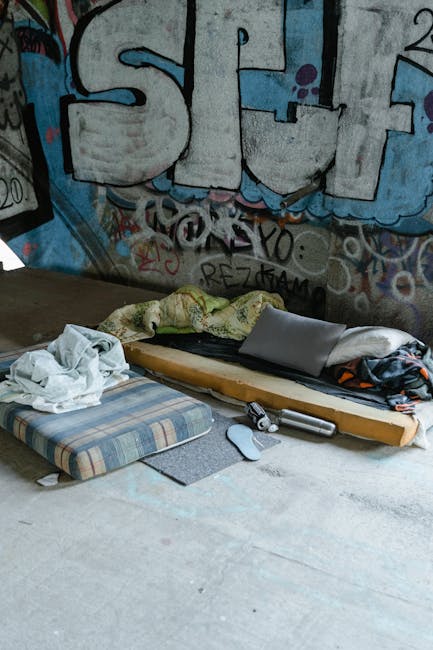
Bulky item removal in SE26: sofas, fridges, mattresses
Posted on 07/05/2026
If you've got a sofa blocking the hallway, a fridge that's too awkward to move, or a mattress that's somehow become the guest-room problem no one wants to deal with, you're not alone. Bulky item removal in SE26: sofas, fridges, mattresses is one of those jobs that looks simple right up until you try to do it yourself. Then the narrow stairs, heavy lifting, odd shapes, and recycling rules start to matter fast.
For homes and landlords in Sydenham, it's usually not just about getting rid of something old. It's about doing it safely, keeping the place tidy, and making sure the item ends up handled properly. That could mean a one-off collection, a same-day clear-out, or a planned pickup around a move, refurb, or end-of-tenancy clean. This guide walks through how the process works, what to expect, and how to make a sensible choice without the usual hassle.
Need the quick version? The right bulky item service saves you time, protects your walls and stairwells, and takes the stress out of moving large household waste. Simple enough in theory. In real life, not always so simple.
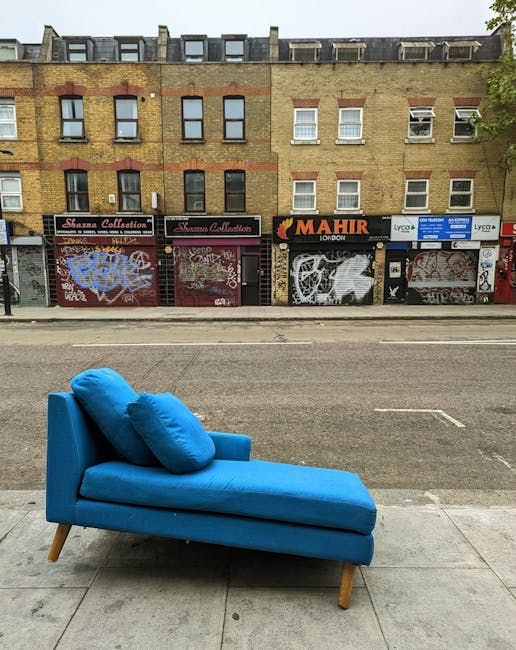
Why Bulky item removal in SE26: sofas, fridges, mattresses Matters
Big household items are not just "more rubbish". They're awkward, heavy, and often need different handling from everyday waste. A sofa can snag on banisters. A fridge may need careful movement and, in some cases, special treatment because of refrigerant components. A mattress can be clean-looking but still take up a surprising amount of space in a van or storage area. That's before you even think about getting it out of the flat.
In SE26, where many homes have shared entrances, tight hallways, basement rooms, terraces, and staircases that seem to turn at the worst possible angle, the logistics matter a lot. A bulky item left in the wrong place can cause obstruction, complaints from neighbours, or a quick trip from "we'll deal with it later" to "why is this still here?".
This is also a space issue. One oversized item can dominate a room. If you're preparing for a tenancy check-out, clearing a spare room, or creating space for a renovation, removing just one sofa or bed can make the whole property feel different. You notice it immediately. More air, more light, less clutter. Funny how that works.
There's also the matter of responsibility. Many people want a straightforward way to dispose of bulky goods without guessing whether they've sorted recycling, reuse, or disposal correctly. A proper removal service helps bridge that gap, especially where the item is too large for standard household bins or too heavy for a DIY move.
How Bulky item removal in SE26: sofas, fridges, mattresses Works
At its simplest, the process usually starts with a description of the items, followed by a quote, then collection from your property or kerbside. The exact method depends on access, quantity, item type, and whether the items need dismantling or special handling.
Here's the usual flow:
- Identify the items - list each bulky piece clearly, including size, condition, and whether it can be broken down.
- Check access - think stairs, lifts, parking, rear alley access, and whether the item can physically leave the property in one piece.
- Request a quote - the more accurate the details, the more reliable the price and timing.
- Schedule collection - some jobs are booked ahead; others are handled quickly when timing matters.
- Prepare the items - disconnect appliances safely, remove loose belongings, and clear a path where possible.
- Collection and loading - the team removes the items, often with two-person lifting for safety and control.
- Sorting and disposal - items are then directed to reuse, recycling, or disposal routes depending on condition and material.
A good provider will be upfront about what happens to each item. For instance, a service might be able to handle a sofa and mattress in one visit, but a fridge could need more care because of its internal components. That's normal. It's better to know before collection day than to discover it at the front door.
If your job is part of a larger clear-out, it may help to look at house clearance support or a broader waste removal service so the collection is planned as one clean sweep rather than several smaller headaches.
Key Benefits and Practical Advantages
People usually think about bulky item removal for the obvious reason: they want the thing gone. Fair enough. But the real value tends to be wider than that.
- Less physical strain - moving a heavy sofa or fridge without the right technique can go badly, and quickly.
- Lower risk of damage - walls, doors, floors, lifts, and stair rails are all vulnerable during DIY moving.
- Better time control - one scheduled collection beats a weekend of trying to borrow a van and recruit a reluctant friend.
- Cleaner property handover - especially useful for landlords, tenants, letting agents, and sellers.
- Proper handling of special items - fridges and certain other appliances may need more careful processing than normal waste.
- Reduced clutter stress - a room changes character once a broken bed base or old mattress is removed. The effect is immediate.
There's also a quieter advantage: peace of mind. You're not leaving an awkward object in the hallway for "later", which, truth be told, often means "for months".
For homes where items are being cleared as part of a wider declutter or move, combining bulky collection with junk clearance can be more efficient than arranging everything separately. That's especially helpful if you've also got packaging, broken small furniture, or general household waste to shift at the same time.
Who This Is For and When It Makes Sense
This kind of service is useful for a broad range of people, and the reasons are more practical than glamorous.
Homeowners
If you've replaced furniture, upgraded white goods, or are preparing rooms for decorating, bulky removal keeps the project moving. A sofa that's past its best or a mattress that has seen one too many years can be cleared without turning the job into a personal wrestling match.
Tenants
When leaving a property, old furniture and appliances can complicate check-out if they're left behind. A quick collection can help avoid unnecessary back-and-forth with a landlord or agent. Not exactly fun, but very useful.
Landlords and letting agents
End-of-tenancy clearances often involve a mix of furniture, damaged appliances, and left-behind household items. Fast removal helps reset the property and keep turnaround times sensible. If you manage multiple properties, a reliable recurring arrangement can be even more valuable.
Families and carers
Sometimes the need is practical and personal. A spare bed no longer needed, a fridge from a garage, a bulky sofa that became too much after a room change. These jobs often happen around busy lives, so convenience matters.
Small businesses
Not every bulky item is domestic. Offices, salons, and small workspaces can also need furniture or appliances removed. If that applies, a commercial clearance route is often worth considering alongside office clearance options.
As a rule, if the item is too large, too heavy, too awkward, or too regulated to dump in normal household waste, it makes sense to book a dedicated collection rather than improvise.
Step-by-Step Guidance
Here's a practical way to handle the job without unnecessary stress. Nothing fancy. Just a sensible process.
1. Make a clear item list
Write down exactly what needs removing. "One sofa" is okay, but "3-seater sofa, fabric, with wooden feet" is better. The more detail you give, the less chance of surprises on the day.
2. Check whether the item can be safely separated
Some sofas come apart. Some don't. Fridges should be disconnected properly before removal, and any loose shelves or drawers should be secured or taken out. Mattresses are usually easier physically, but they can still be awkward through narrow passages.
3. Measure access points
Quick measurements save a lot of trouble. Door widths, stair turns, lift size, hallway bends - these are the details that decide whether an item can be carried out intact.
4. Take photos if possible
A few clear photos of the item and the access route can help a provider give a more accurate quote. That's especially useful if the sofa is oversized or the fridge is in a tucked-away kitchen.
5. Prepare the space
Move smaller objects out of the way, clear the route, and make sure pets and children are kept safe during collection. A tidy route speeds everything up.
6. Confirm what's being removed
It sounds obvious, but it matters. If the booking is for a sofa, fridge, and mattress, say that clearly. If there's also a broken chair or side table, mention it before the team arrives.
7. Ask how the items will be handled
Not every item follows the same route. Some may be suitable for reuse, others for recycling, and some for disposal. A good provider should be comfortable explaining that in plain English.
If your situation involves more than just one-off furniture, it may be worth looking at mattress removal or furniture removal as part of a broader plan. Small choices like that often save time later.
Expert Tips for Better Results
A few small choices can make a bulky item collection much smoother. These are the kind of details that seem minor until collection day.
- Be honest about size and condition. A "standard" sofa that is actually oversized can affect the vehicle and crew needed.
- Keep the route clear before the team arrives. One chair in the wrong place can slow everything down. Annoying, but true.
- Disconnect appliances safely in advance. Fridges should not be left plugged in. If you are unsure, ask for guidance before the appointment.
- Bundle jobs where it makes sense. If you have a mattress, a sofa, and a few general items, it can be more efficient to remove them together.
- Plan around building access. In flats, this can include lift hours, concierge rules, or parking restrictions.
- Think about reuse first where appropriate. If an item is still usable, ask whether there is a reuse route before assuming it is waste.
One small but useful habit: take a quick photo of the item before collection, especially if you are coordinating the job remotely. It helps avoid the "was that the brown sofa or the grey one?" moment. Little things.
Also, if the job is part of a wider property clear-up, same-day rubbish removal can be a handy option when timing is tight and you do not want bulky items sitting around for another week.

Common Mistakes to Avoid
Most bulky item problems come from a handful of avoidable mistakes. None of them are dramatic on their own, but together they can turn a simple collection into a frustrating afternoon.
Leaving it until the last minute
If you're moving out, renovating, or preparing a property handover, don't leave furniture removal until the final evening. The light's fading, you're tired, and suddenly the mattress is wedged at the bottom of the stairs. Not ideal.
Assuming every item is treated the same way
Fridges, mattresses, and sofas are all bulky, but they may not be processed in the same way. Appliances often require extra consideration, while furniture can vary based on material and condition.
Not checking access properly
A collection team can only work with the space available. A tight bend, steep steps, or no parking nearby may change the job setup.
Forgetting about disconnection and preparation
Appliances should be disconnected safely, and any personal items removed from sofas, drawers, or hidden compartments. People forget this more often than you'd think.
Using the wrong disposal route
Dropping bulky waste in an unsuitable place can create problems for you and the neighbourhood. It is simply not worth the risk.
One more thing: do not underestimate mattresses. They're light enough to fool you and awkward enough to punish you later. Sneaky little things.
Tools, Resources and Recommendations
You do not need specialist equipment for every collection, but a few basics help.
- Measuring tape - useful for checking doorways, hallways, and stair turns.
- Phone camera - quick photos of the item and access route can prevent misunderstandings.
- Protective gloves - sensible if you're moving smaller pieces or cleaning around the item.
- Blankets or floor protection - helpful if the item has to be shifted before collection.
- Flathead screwdriver or basic tool kit - only if a piece can be safely dismantled and you know what you're doing.
For readers who are clearing a property more broadly, the following service pages can also help you plan the bigger picture: garden clearance if outdoor waste has built up too, or garage clearance if the bulky item has been sitting beside boxes and old equipment for years. Happens a lot, actually.
If your job includes white goods, it is worth asking whether appliance removal is included or whether it needs to be handled as a separate item. That tiny detail can affect pricing, timing, and the collection plan.
Law, Compliance, Standards, or Best Practice
Bulky item removal sits within a wider waste-handling framework, so it pays to follow sensible UK best practice. You do not need to be a specialist to do that, but you do need to be careful.
In practical terms, that means:
- using a lawful disposal route for household waste and large items
- not leaving furniture, fridges, or mattresses in communal areas or on pavements unless collection has been arranged
- checking that electrical appliances are handled appropriately
- being cautious with items that may contain hazardous components or sharp edges
- making sure any removal provider operates responsibly and can explain what happens to the waste
For fridges, the main concern is that they are not just another lump of metal. They contain components that need proper handling. The same general principle applies to other bulky goods that include electrical or recyclable materials. Best practice is simply to keep the chain clear: safe removal, appropriate sorting, and legitimate downstream processing.
If you are a tenant, landlord, or property manager, it is also sensible to keep a record of what was removed and when. Nothing elaborate. A short note and a photo can save a lot of back-and-forth later.
There is no need to overcomplicate it, but there is a need to do it properly. That balance matters.
Options, Methods, or Comparison Table
There are a few different ways to deal with bulky household items. The best choice depends on the item, your access, your timing, and how much effort you want to take on yourself.
| Method | Best for | Pros | Watch-outs |
|---|---|---|---|
| DIY move and disposal | Small bulky items, easy access, low quantity | Can feel cheap if you already have transport | Heavy lifting, injury risk, vehicle issues, disposal uncertainty |
| Local collection service | Sofas, fridges, mattresses, mixed bulky items | Fast, convenient, less strain, more predictable | Needs accurate item details and access info |
| Part of a house clearance | Several rooms, multiple items, end-of-tenancy jobs | Efficient for bigger clear-outs | May be more than you need for a single item |
| Appliance-specific removal | Fridges and other white goods | Better handling for electrical or refrigerant-related items | Not always necessary for every appliance, depending on the service |
| Reuse or donation route | Usable furniture in decent condition | Potentially better environmental outcome | Only works if the item is genuinely suitable for reuse |
In plain terms: if the item is heavy, awkward, or time-sensitive, a dedicated removal service usually makes the most sense. If you have a clean, usable item and time to explore reuse, that can be a good route too. The right answer depends on the real world, not just the ideal one.
Case Study or Real-World Example
Picture a flat in SE26 on a wet Tuesday morning. Not dramatic, just one of those grey London days where everything feels slightly heavier than it should. A tenant is moving out, a three-seater sofa is no longer wanted, the fridge in the kitchen has been replaced, and the mattress has seen better years. None of it is outrageous on its own, but together it's a lot.
The main issue is access. The sofa will not fit around a tight stair turn unless it is moved carefully, and the fridge is too awkward for one person to handle safely. The tenant also needs the property left tidy for inspection later that week. So the job is booked as a single collection, with the item list confirmed in advance and the pathway cleared before arrival.
What made the difference? Planning. The tenant measured the hallway, disconnected the appliance safely, and sent photos of the bulky items ahead of time. The collection team knew what to expect and brought the right approach first time. No drama, no repeat visit, no scratched wall by the front door.
That sort of job is common. Not glamorous, not complicated either. Just one of those practical tasks that goes much better when somebody thinks ahead by ten minutes.
Practical Checklist
Use this quick checklist before collection day. It keeps the job tidy and saves awkward surprises.
- Confirm exactly which items are being removed
- Measure doorways, stairs, and any tight access points
- Check whether the sofa can be dismantled safely
- Disconnect fridges and other appliances properly
- Remove personal items from drawers, cushions, and compartments
- Clear the route from the item to the exit
- Protect floors or corners if the path is tight
- Tell the provider about parking limits or building access restrictions
- Ask what happens to reusable or recyclable items
- Take a photo for your own records if needed
Quick expert summary: the smoother the access, the more accurate the item details, and the clearer the booking, the easier the collection will be. That is usually where good outcomes come from. Not luck. Just decent preparation.
Conclusion
Bulky item removal in SE26: sofas, fridges, mattresses is really about making a tricky job feel manageable. Whether you're clearing a flat, replacing old furniture, or sorting out a post-tenancy reset, the best approach is the one that keeps you safe, saves time, and handles the item properly from start to finish.
For most people, the decision comes down to three things: access, item type, and urgency. If those line up, the rest becomes much easier. And if they do not, it is usually better to get help than wrestle a fridge down the stairs and regret it halfway through. Been there, or close enough.
If you want a cleaner room, a safer move, and less hassle on the day, book the collection early, describe the items clearly, and choose a service that understands the practical side of the job. A little preparation goes a long way, honestly.
Get a free quote today and see how much you can save.