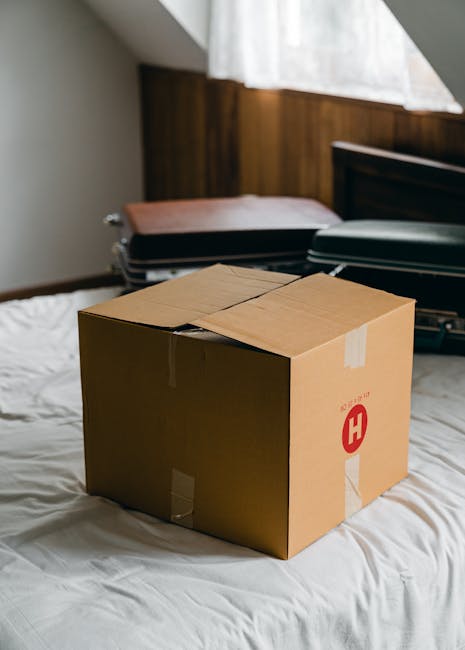
Packing and access guide for Thorpewood Avenue moves
Posted on 15/05/2026
Moving on Thorpewood Avenue sounds simple enough on paper. In real life, though, the small details decide whether the day feels calm or chaotic: stair width, parking space, box labelling, lift access, awkward furniture, and whether the kettle is packed too early. This Packing and access guide for Thorpewood Avenue moves is designed to help you plan the job properly, avoid last-minute surprises, and make sure the moving team can get in, out, and loaded without delays.
Whether you are leaving a flat, moving into a family home, or handling a tight turnaround, the right approach saves time and stress. It also helps protect your furniture, your walls, and your nerves. Truth be told, most move-day problems are not dramatic disasters; they are a string of small oversights. A sofa that will not fit through a hallway. A box without a room label. A van that has nowhere sensible to stop for ten minutes. You can prevent a lot of that with a bit of planning.
In this guide, we will walk through packing strategy, access checks, practical tools, the most common mistakes, and the best way to prepare for a smoother Thorpewood Avenue move. We will also point you to useful support pages where relevant, including packing and boxes support, house removals in Sydenham, and local removals services.
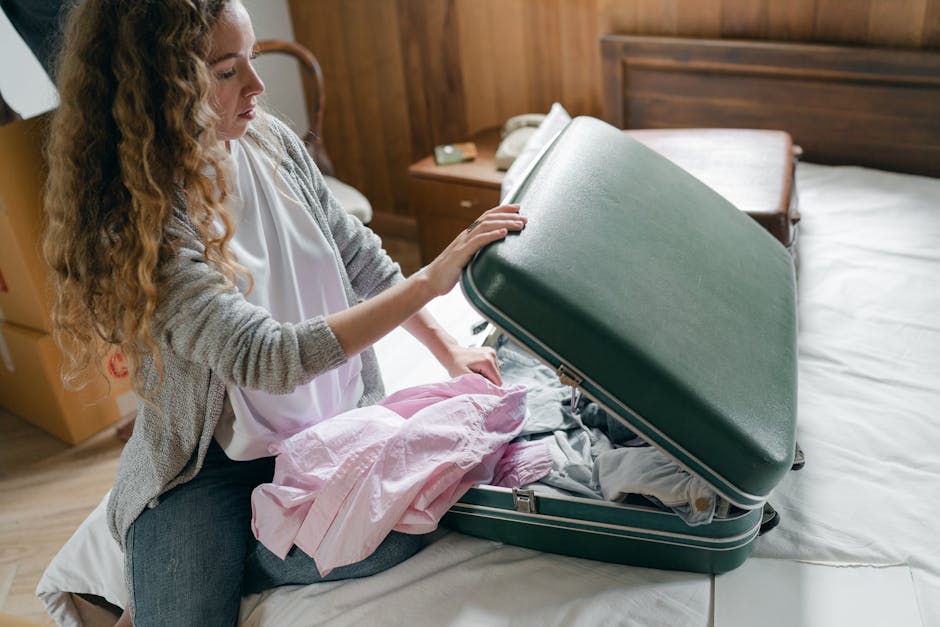
Why Packing and access guide for Thorpewood Avenue moves Matters
Access planning and packing prep are linked more closely than people think. If you pack well but the access route is awkward, your move still slows down. If access is easy but the boxes are poorly prepared, loading becomes messy and risky. On Thorpewood Avenue, as with many residential streets, the difference between a tidy move and a stressful one often comes down to how clearly you have thought through the route, the parking position, and the size of the items leaving the property.
This matters because movers need space to work efficiently and safely. They need to know whether they are dealing with steps, narrow hallways, low ceilings, turning restrictions, limited roadside access, shared entrances, or a long carry from the front door to the van. It is not just about speed. It is also about avoiding damage. A rushed carry through a tight doorway is how you end up with scuffed plaster, scraped furniture, or a bruised hand. Nobody wants that on moving day.
Good packing supports good access. When boxes are sealed properly, stacked logically, and labelled by room, the loading order becomes easier to manage. Sensitive or heavy items can be handled first, awkward pieces can be given extra room, and the van can be loaded in a way that avoids unnecessary reshuffling. If you want a broader look at reducing moving-day stress, the guide on stress-free house moving is a useful companion read.
There is also a local side to this. In London streets, access planning often needs a bit more thought because parking can be limited, routes can get busy quickly, and a van may need to stop precisely where the carry is shortest. That small detail can make a big difference. A minute of planning can save twenty minutes of faffing about. And let's face it, no one enjoys standing on the pavement in the drizzle wondering where the trolley went.
How Packing and access guide for Thorpewood Avenue moves Works
The process is straightforward once you break it down. First, you map the property and the street access. Then you decide how each item should be packed and carried. After that, you set the loading order and any special handling notes. Simple on the surface, but each stage has a few details worth getting right.
For access, think in terms of the whole route, not just the front door. Is there on-street parking close enough for the van? Is there a front garden gate or a shared hallway? Are there steps from the pavement to the entrance? Can larger furniture be turned safely through corners? If you have never tried to move a mattress around a narrow landing, it can be a bit of a comedy sketch until it is not funny anymore.
For packing, the aim is to keep the load stable, identifiable, and suited to the item. Books go in small boxes. Plates need padding. Wardrobe rails, lamps, and cables should be separated so they do not tangle or snap. Appliances need a different approach again. If you are moving a freezer or keeping one in storage, the advice in this freezer storage guide and this follow-up on unused freezers can help you avoid the usual mistakes.
Think of the whole move as a flow:
- Survey the route from room to van.
- Measure or estimate awkward items and tight spaces.
- Pack items by weight, fragility, and room destination.
- Mark special items clearly.
- Agree who will guide loading, where the van will stop, and which pieces need extra care.
That is the basic working model. Nothing fancy. Just practical organisation that helps the day move along without too much stop-start.
Key Benefits and Practical Advantages
There are several clear benefits to preparing properly for a Thorpewood Avenue move. Some are obvious, others only show up once the boxes start moving.
- Less delay on the day. When access is planned, the team spends less time waiting for parking decisions or route checks.
- Lower risk of damage. Sensible packing and route planning reduce the chance of furniture knocks and box failures.
- Better use of vehicle space. A well-labelled, well-sized packing strategy makes loading more efficient.
- Less stress for everyone. The household is calmer when each item has a destination and each person knows what happens next.
- Safer handling. Heavy or awkward items can be moved with the right lifting approach instead of rushed improvisation.
There is a quieter benefit too: confidence. Once you know the access plan is sensible and the boxes are ready, you stop second-guessing every detail. You can focus on the practical bits instead of that persistent little question: "Did we forget something important?"
For people who are moving from a smaller property, or from a place with awkward stair access, this planning can be even more valuable. If that sounds familiar, the pages on flat removals and furniture removals are worth a look, because the same access principles tend to apply.
Who This Is For and When It Makes Sense
This guide is useful for anyone moving on or near Thorpewood Avenue, but it is especially relevant if your move includes one or more of the following:
- a flat with stairs, a communal entrance, or limited space for turning furniture
- a family house with bulky items, garden furniture, or multiple bedrooms to clear
- student moving day with a small timetable and not much margin for error
- an office or home-office relocation where equipment must be handled carefully
- same-day or short-notice moving arrangements
Students, in particular, often underestimate how fast boxes become chaotic when they are mixed by room. If that is your situation, student removals support in Sydenham can be a practical route to a simpler day.
It also makes sense to use this guidance if you are moving in winter, on a busy weekday, or when rain is likely. British weather has a habit of adding its own little drama. A wet pavement, a slippery box base, or a delayed parking spot can turn a tidy plan into a scramble. Not ideal, clearly.
If you are a careful planner, this guide helps you tighten the details. If you are more of a "we'll sort it on the day" person, it may save you a headache. Possibly several.
Step-by-Step Guidance
Here is a practical, step-by-step way to prepare for a move with access and packing in mind. You do not need to do everything at once. In fact, it is usually better if you do not.
1. Walk the route before anything is packed
Start with the path from each room to the front door and then to the van. Look at corners, tight door frames, stair angles, low ceilings, floor surfaces, and any obstacles like shoe racks or hall furniture. If you already know the sofa barely fits through one doorway, you can plan around it instead of discovering it at the worst moment possible.
2. Confirm vehicle access and parking
Check where the van can stop with the shortest carry distance. On a street like Thorpewood Avenue, that might mean considering nearby parking patterns, time-of-day traffic, and whether a clear loading position is actually feasible. If needed, speak to the local parking authority or arrange temporary permission in advance where appropriate.
3. Sort and declutter before packing
There is no point moving items you do not want. Decluttering first reduces the number of boxes, the loading time, and the amount of stuff competing for space in the van. For a more structured approach, read this decluttering guide. It is one of those tasks that feels a little boring at first and then oddly satisfying once the bags start filling up.
4. Pack by room and by priority
Keep boxes grouped by room, and separate essential items from non-essential ones. You want a clear system: kitchen, bedroom, bathroom, living room, office. Mark the priority boxes. A kettle, basic bedding, chargers, and toilet essentials should be easy to find when you arrive. Trust me, future-you will be grateful.
5. Use the right packing materials
Use strong boxes, tape, bubble wrap, paper padding, mattress covers, and furniture blankets where needed. A weak box is a false economy. It looks fine until the bottom gives way halfway down the stairs. That is not the sort of "surprise" anybody needs.
6. Prepare special items separately
Mattresses, sofas, pianos, freezers, and large wardrobes need different handling. For mattress moves, see these essential steps for bed and mattress relocation. For soft furnishings, sofa storage tips are useful if your furniture is being temporarily held. And for pianos, it is worth reading the complications of DIY piano transportation before you decide to tackle that job on your own.
7. Label clearly and load logically
Label every box on the top and one side. Include the room, a short contents note, and whether the box is fragile. Then load the van in a sequence that supports the unloading order at the destination. Heavy boxes low, fragile items secure, first-needed items easy to reach. That order saves time later.
8. Clean and final-check before departure
A quick clean-up before leaving helps you spot anything forgotten and leaves the property in better shape. If you want a room-by-room approach, this cleaning guide for moving day is genuinely handy. Also make sure cupboards, loft access, and behind-door areas have been checked. People leave things in the oddest places. Happens all the time.
Expert Tips for Better Results
Here are the little improvements that often make the biggest difference.
- Measure awkward furniture before move day. Don't guess the width of a sofa or bed base if the access is tight. A tape measure is boring, yes, but very useful.
- Keep one "first night" bag aside. Put medication, phone chargers, toiletries, snacks, a change of clothes, and any vital paperwork in a separate bag you keep with you.
- Protect floors and corners. If the route has tight bends or polished surfaces, basic floor protection and furniture blankets are well worth it.
- Plan for lifting, not just carrying. Heavy items should be moved with proper technique and enough people. If you want a deeper look at safe handling, this guide to heavy lifting and this piece on lifting methods offer useful perspective.
- Keep a "do not load yet" corner. That helps avoid accidental packing of essentials that you still need before departure.
One small habit I have always liked is putting a bright note on the boxes that must be opened first. Not glamorous, not clever, just helpful. You see it immediately, even when the house is half-empty and the room sounds weirdly echoey.
If you are arranging a broader relocation, the overview on removal services can help you understand the support options available, including van sizes and different move types.
Common Mistakes to Avoid
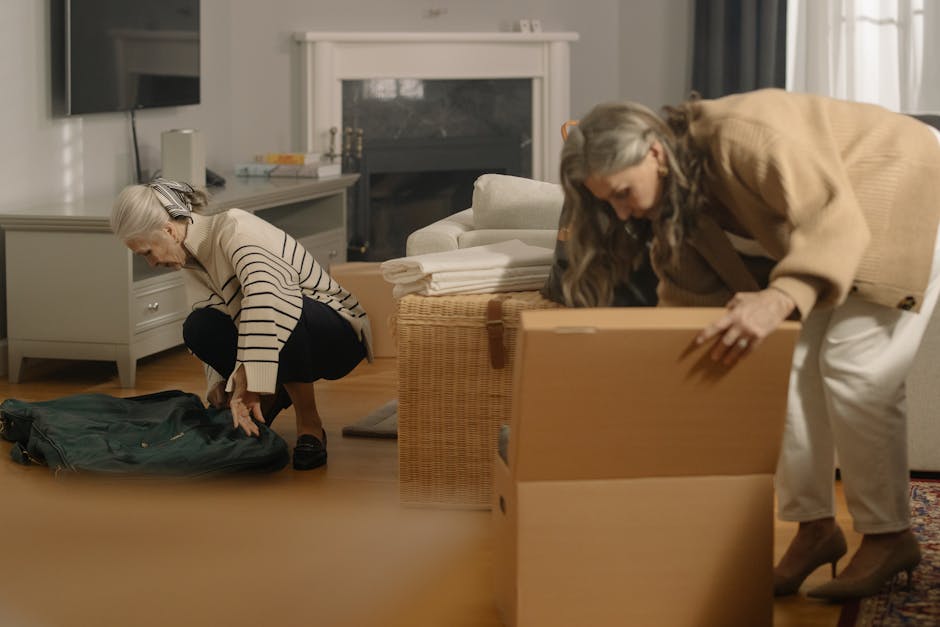
Most moving-day problems are avoidable. The trick is knowing which mistakes show up again and again.
- Leaving access checks until the day of the move. This is probably the biggest one. If parking or entry is tighter than expected, everything slows down.
- Overpacking large boxes. Big boxes full of books or kitchenware become awkward to lift and easier to split.
- Poor labelling. A box marked "misc" is not really a plan. It is a mystery, and not a fun one.
- Ignoring specialist items. Sofas, fridges, pianos, and office equipment need separate thinking.
- Forgetting disposal or storage needs. If items are not going straight to the new property, arrange storage early. The page on storage in Sydenham may be helpful if you need a temporary solution.
Another mistake is assuming every move is the same. It is not. A flat move with stair access is a different beast from a family house with a side return and outdoor items. The more honestly you assess the situation, the smoother the day tends to be.
There is also a tendency to leave cleaning to the end, which usually means it never gets done properly. If you are trying to do a quick exit clean, at least check high-touch areas, kitchen surfaces, and bathroom fittings. Small thing, big impression.
Tools, Resources and Recommendations
You do not need a warehouse full of equipment, but a few well-chosen tools make the work easier and safer.
| Tool or Resource | Best Used For | Why It Helps |
|---|---|---|
| Strong moving boxes | Books, kitchenware, mixed household items | Reduce breakage and make stacking safer |
| Bubble wrap and packing paper | Fragile items, glass, decor | Absorbs knocks during lifting and transit |
| Furniture blankets | Sofas, tables, wardrobes | Protects edges and surfaces from scrapes |
| Mattress covers | Beds and mattresses | Keeps fabric cleaner and easier to handle |
| Tape, labels, marker pens | All boxes and bags | Makes loading and unpacking much clearer |
For packing materials, the packing and boxes page is a sensible starting point. If you need a more complete moving package, the local man and van service or man with a van support can be useful depending on the size and shape of the move.
Sometimes people ask whether a small van or a larger removal van is better. The honest answer is: it depends on access, load size, and how many trips you want to avoid. A slightly larger vehicle can save time, but only if the street access allows it. If the road is tight, the removal van option is worth considering carefully.
Law, Compliance, Standards, or Best Practice
This topic is mostly about practical best practice, but there are a few important UK expectations to keep in mind. First, moving should be done safely, with attention to manual handling and the condition of the route. That means avoiding unsafe lifts, overloading boxes, or asking one person to do a job that clearly needs two. It sounds obvious. It is still overlooked.
Second, parking and loading should respect local rules. If a van needs to stop close to the property, check whether any parking restrictions apply and whether there is a lawful loading arrangement available. It is better to spend a few minutes confirming this than to improvise and risk a problem later.
Third, insurance and liability should not be brushed aside. If you are using a removals provider, make sure you understand what is covered, what is not, and what duties you still have as the customer. The pages on insurance and safety, health and safety policy, and terms and conditions are worth reviewing if you want the broader framework.
Finally, good movers and well-prepared customers tend to follow clear standards: clear communication, sensible lifting, protected surfaces, and accurate information about access. That is not just a nice-to-have. It is what keeps the day moving safely.
Options, Methods, or Comparison Table
Different moves need different approaches. Here is a simple comparison to help you choose what fits your Thorpewood Avenue move best.
| Approach | Best For | Pros | Watch Outs |
|---|---|---|---|
| DIY packing only | Smaller moves with straightforward access | Lower upfront cost, full control over packing | Can be slow, tiring, and easy to under-plan |
| DIY packing with professional transport | People who want to save money but reduce lifting risk | Balanced cost and convenience | You still need to label and prepare properly |
| Full removals support | Busy households, larger homes, awkward access | Less stress, better handling, quicker loading | Usually costs more than self-managed options |
| Same-day removals | Urgent or short-notice moves | Fast response, practical for tight timelines | Needs very clear access and packing readiness |
If you are comparing service levels, the best choice is the one that matches both your access situation and your energy level on the day. That is usually the honest answer. A move with stairs, long carries, and bulky furniture often benefits from more support than people first expect.
For urgent jobs, same-day removals in Sydenham can be a practical option. For bigger home moves, removals in Sydenham and removal services in Sydenham provide broader support paths.
Case Study or Real-World Example
Imagine a typical Thorpewood Avenue move: a two-bedroom flat, second floor, shared entrance, and a sofa that looked perfectly manageable in the living room but less cheerful on the stairwell. The residents had packed most items, but several boxes were mixed by room, and the van initially parked a little too far away. Nothing disastrous. Just enough friction to make the morning drag.
The turning point was simple. The team moved the van closer after checking the best legal stopping point, the customer separated the fragile kitchen items from the books, and a quick re-labeling pass sorted the loading order. The sofa was wrapped properly, the mattress used a cover, and the freezer was handled as a separate item rather than an afterthought. By lunchtime, the move felt controlled instead of frantic.
That kind of outcome is common. Not because the day is effortless, but because the access and packing details were dealt with before pressure kicked in. If the household had also cleaned room by room and cleared unwanted items earlier, the move would have felt even lighter. Little steps. They add up.
A similar approach works for office or mixed-use moves too. If your move includes desks, filing, monitors, or delicate electronics, the planning logic is the same. The page on office removals is a helpful reference if that is your situation.
Practical Checklist
Use this checklist in the final days before moving. It keeps the essentials in one place and makes last-minute checks easier.
- Confirm the moving date, time, and contact details
- Check access from property to van, including stairs and doorway widths
- Confirm parking or loading arrangements near Thorpewood Avenue
- Pack fragile items with enough cushioning
- Use small boxes for heavy items like books
- Label every box by room and contents
- Separate essentials for the first 24 hours
- Protect mattresses, sofas, and upholstered furniture
- Disconnect and prepare appliances safely
- Clear hallways, landings, and door paths before loading begins
- Do a final room check, cupboards included
- Keep keys, documents, and valuables with you
- Review the provider's insurance, terms, and service details
Expert summary: The best move is rarely the fastest one on paper; it is the one where access is clear, boxes are labelled properly, and bulky items are handled before the day becomes noisy and rushed.
Conclusion
A good Thorpewood Avenue move is usually built on two things: clear access planning and sensible packing. Get those right, and the rest of the day becomes much easier to manage. You will still have boxes, decisions, and probably a bit of tiredness by the end, but the move will feel orderly rather than overwhelming.
Remember the basics. Measure what matters. Label what you pack. Clear the route. Keep fragile and heavy items in separate categories. And if something feels awkward, address it early rather than hoping it magically sorts itself out on moving morning. It rarely does.
If you want help choosing the right support for your move, compare service options, review the practical guidance above, and plan the access details with care. That small bit of preparation can make a very real difference. In our experience, people almost always feel better once the first few decisions are made.
Get a free quote today and see how much you can save.